



Mining is one of the most energy-intensive industries in the world. From extracting valuable minerals to processing raw materials and transporting resources, every stage depends on a reliable electricity supply. Power interruptions can slow production, disrupt equipment, increase operating costs, and affect workplace safety. That is why mining power solutions are essential for efficient and sustainable mining operations. By choosing dependable generators, planning energy requirements, and maintaining reliable backup systems, mining companies can improve productivity and keep critical equipment running in demanding environments.
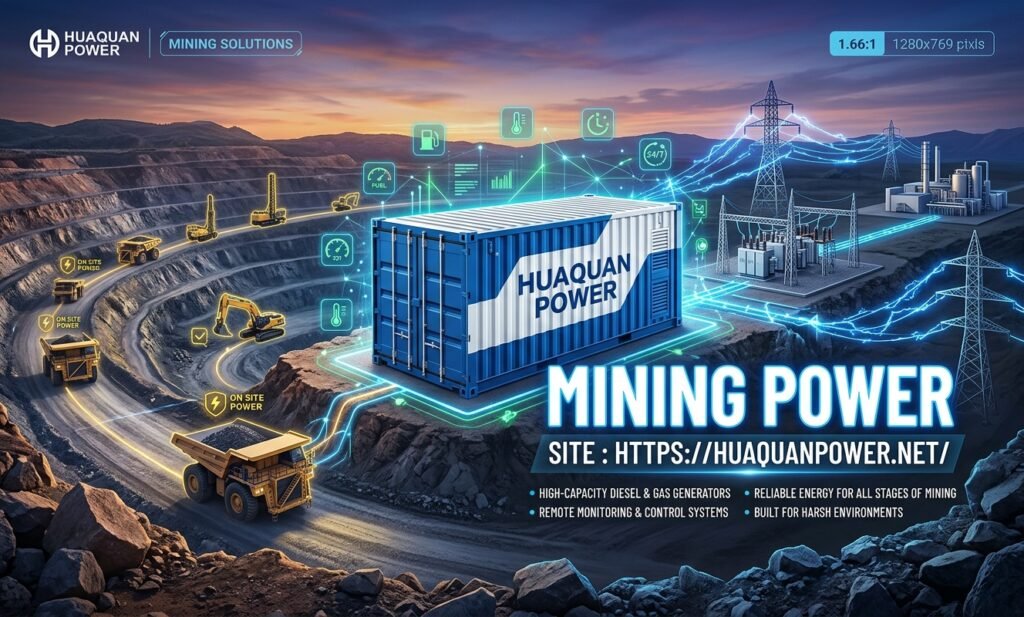
Understanding Mining Power Requirements
Mining operations require a consistent supply of electricity to support heavy machinery, ventilation systems, water pumps, lighting, crushers, and processing equipment. Unlike many commercial facilities, mines often operate in remote locations where access to a stable electrical grid is limited or unavailable. These conditions make dependable power generation particularly important. An effective energy strategy considers the mine’s size, operating schedule, equipment requirements, and environmental conditions to ensure that essential systems receive sufficient electricity throughout the working day.
Why Reliable Power Matters in Mining
A dependable electricity supply helps mining companies maintain production schedules and reduce unexpected downtime. When power fails, conveyor belts may stop, processing systems can become unavailable, and essential ventilation equipment may lose functionality. These interruptions can affect both operational efficiency and worker safety. Reliable power systems help minimize such risks by providing consistent electricity and suitable backup capacity. Careful planning also allows operators to prioritize critical equipment during emergencies, helping maintain essential functions while technicians investigate and resolve electrical problems.
Common Applications of Mining Power Systems
Mining power systems support a wide range of applications, including drilling equipment, excavation machinery, material handling systems, crushing plants, and mineral processing facilities. They also provide electricity for site offices, communication networks, workshops, lighting, and water management infrastructure. Each application has different power demands, so understanding equipment requirements is crucial when selecting a suitable generation system. For example, a processing plant may need a steady supply for continuous operations, while certain heavy machines require additional capacity when starting or operating under demanding loads.
Choosing the Right Mining Generator
Selecting the right generator requires more than estimating the mine’s average electricity consumption. Operators must consider peak demand, equipment startup currents, operating hours, fuel availability, and future expansion plans. An undersized generator may struggle with heavy loads, while an oversized unit can increase purchasing and operating expenses. Huaquan Power offers mining generator options in different capacities, including models listed at 200 kW, 500 kW, 800 kW, and 1,000 kW. The final selection should follow a professional load assessment and site-specific engineering requirements.
Diesel and Gas Generator Options
Diesel generators are widely used at remote mining sites because they can provide substantial power without depending on a utility connection. Gas generators may also be suitable where a dependable gas supply is available. Each option has different fuel, maintenance, emissions, and installation considerations. Mining companies should compare the total cost of ownership rather than focusing only on the initial purchase price. Evaluating fuel consumption, expected operating hours, spare parts availability, and service support helps identify the most practical solution for long-term operations.
Designing a Dependable Backup Power System
Even mines with reliable primary electricity supplies can experience unexpected outages. Backup generators, automatic transfer switches, and properly designed distribution systems help maintain power to essential equipment when the main supply fails. Some larger operations use multiple generators working in parallel to share electrical loads and provide redundancy. For example, if one generator requires scheduled maintenance, a suitably configured system may continue supplying critical equipment through other units. Engineers should design these arrangements according to load requirements, protection coordination, and applicable electrical safety standards.
Improving Energy Efficiency and Operating Costs
Energy efficiency directly affects mining profitability because electricity and fuel can represent significant operating expenses. Regularly reviewing generator loading, reducing unnecessary consumption, and coordinating equipment schedules can improve overall efficiency. Variable production demands may also justify energy storage or hybrid power systems combining generators with renewable energy. These approaches require careful technical and financial evaluation, including battery capacity, charging opportunities, climate conditions, and maintenance requirements. Monitoring energy consumption helps managers identify inefficiencies and make informed decisions about equipment upgrades and future power investments.
Maintaining Mining Power Equipment
Preventive maintenance is essential for dependable generator performance. Dust, vibration, high temperatures, and continuous heavy loads can accelerate wear, particularly at remote sites with challenging environmental conditions. A structured maintenance program should follow manufacturer recommendations and include qualified inspections, servicing, and functional testing.
Useful maintenance priorities include:
-
Inspecting air filters, cooling systems, and ventilation pathways.
-
Checking engine oil, coolant, and fuel-system condition.
-
Testing starting batteries, control panels, and protective devices.
-
Inspecting electrical connections and monitoring operating parameters.
-
Keeping essential spare parts and maintenance records available.
Consistent maintenance helps identify developing problems early and reduces the likelihood of unexpected interruptions.
Environmental Conditions and Worker Safety
Mining environments create specific engineering challenges. Dust can restrict airflow, moisture can contribute to corrosion, and high temperatures or elevations can affect generator performance. Equipment selection must account for these factors, along with suitable enclosures, ventilation, cooling, and environmental protection. Mines with combustible gases or explosive dust require appropriately certified equipment and installation practices based on the relevant hazardous-area classification. Proper exhaust management, noise control, electrical protection, and qualified maintenance procedures are also important for protecting workers and complying with local regulations.
Integrating Modern Monitoring Technology
Digital monitoring systems make it easier to track generator performance and identify potential maintenance needs. Depending on the equipment configuration, operators may monitor output, fuel levels, engine temperature, operating hours, and alarm conditions through local control panels or remote monitoring platforms. These insights support better maintenance scheduling and faster troubleshooting. When several generators operate together, intelligent controls can also help distribute loads and coordinate operation. However, monitoring technology should complement, rather than replace, regular inspections, trained personnel, and tested emergency procedures.
Why Consider Huaquan Power for Mining Power Solutions?
Choosing an experienced power equipment supplier can simplify the process of planning, purchasing, and maintaining a mining energy system. Huaquan Power provides diesel and gas generator sets, energy storage systems, and other power equipment for industrial applications. Its website also features a dedicated mining generator category and describes options for different operating environments and power requirements. Businesses evaluating suppliers should review technical specifications, applicable certifications, warranty terms, delivery arrangements, and after-sales support before making a final purchasing decision.
A successful project starts with a clear understanding of operational needs. Before requesting quotations, prepare an equipment inventory, estimate peak and continuous loads, identify the required backup duration, and document site conditions. Determine whether the project needs a standalone generator, multiple synchronized units, or a hybrid arrangement. Then compare technical proposals, installation requirements, maintenance plans, and lifetime operating costs. Sharing accurate information with a supplier allows its engineering team to recommend an appropriate configuration rather than relying on assumptions that could lead to unnecessary expense or inadequate capacity.


